
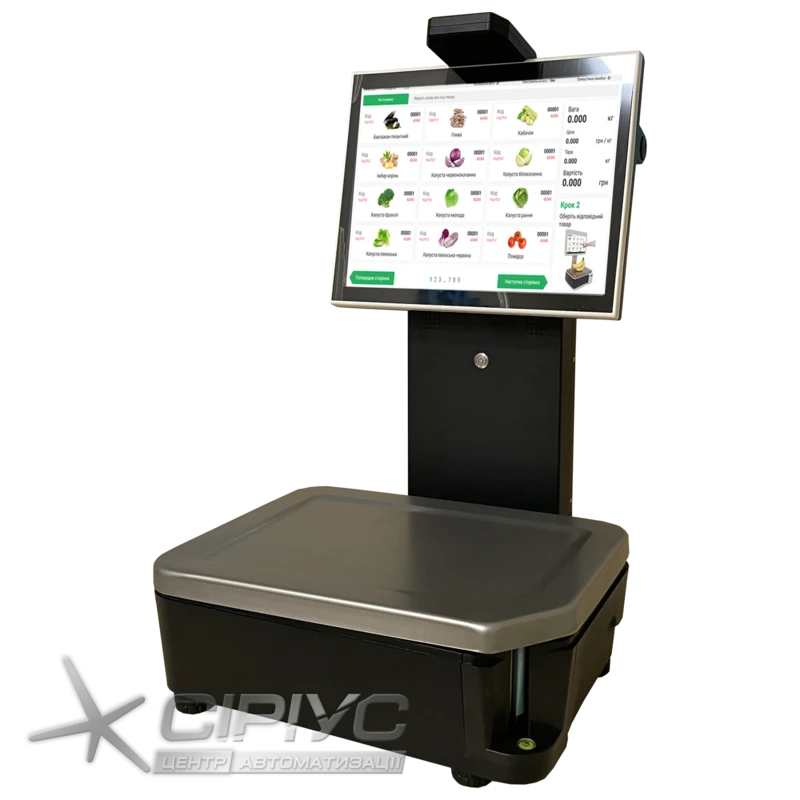
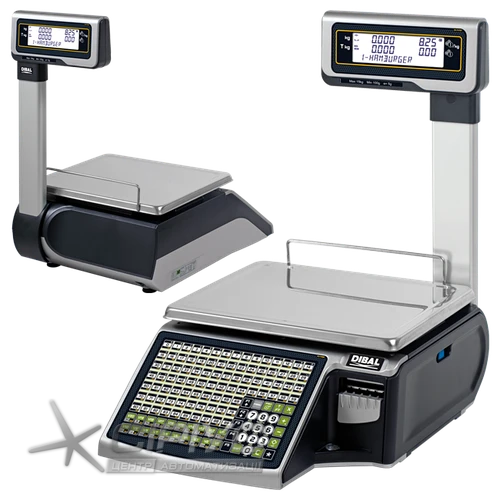
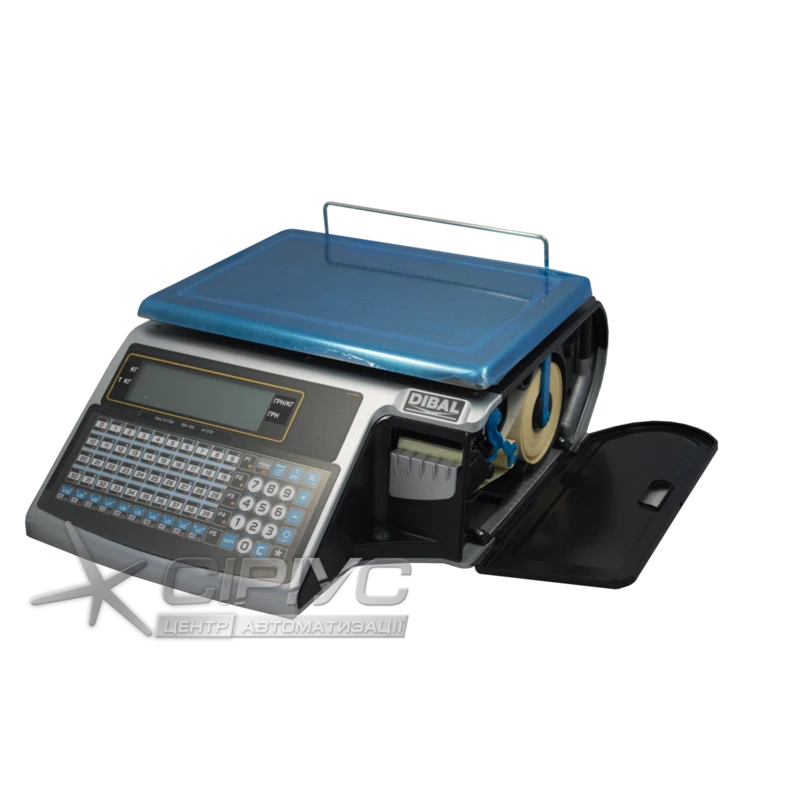
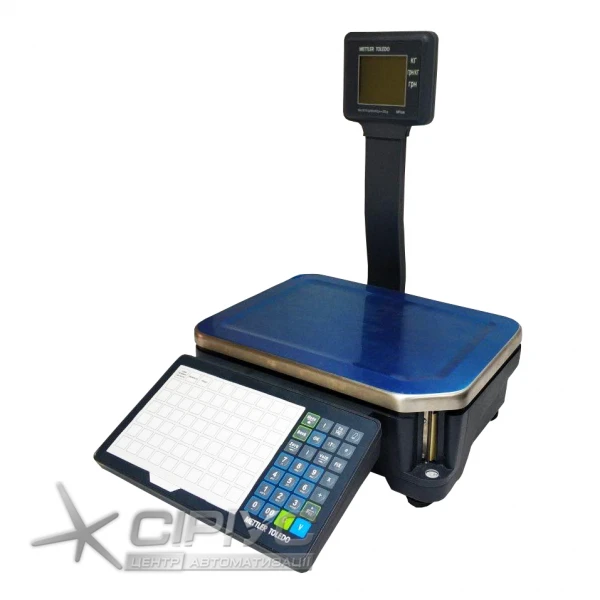
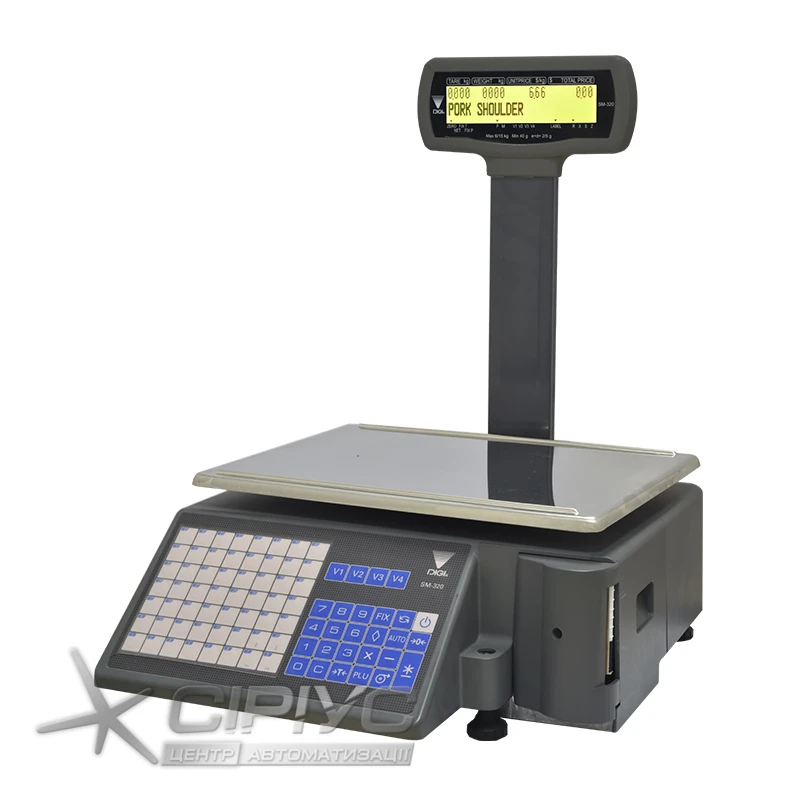
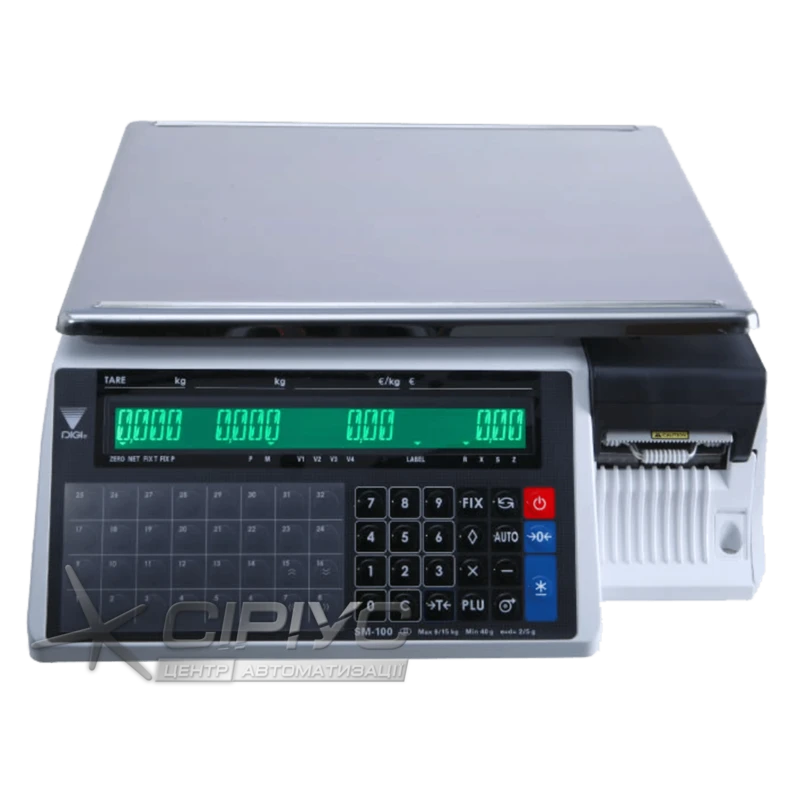
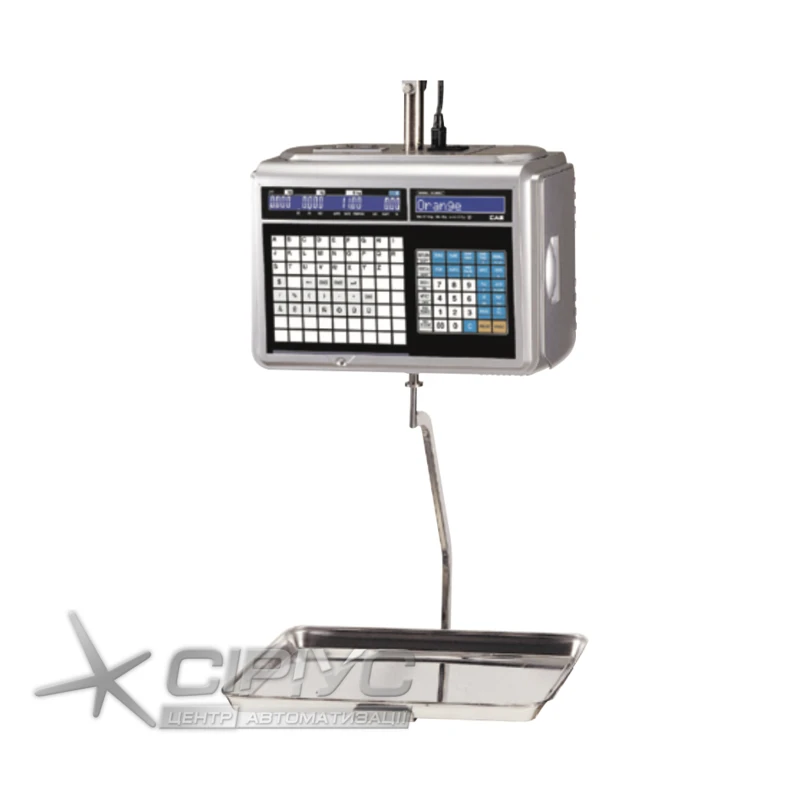
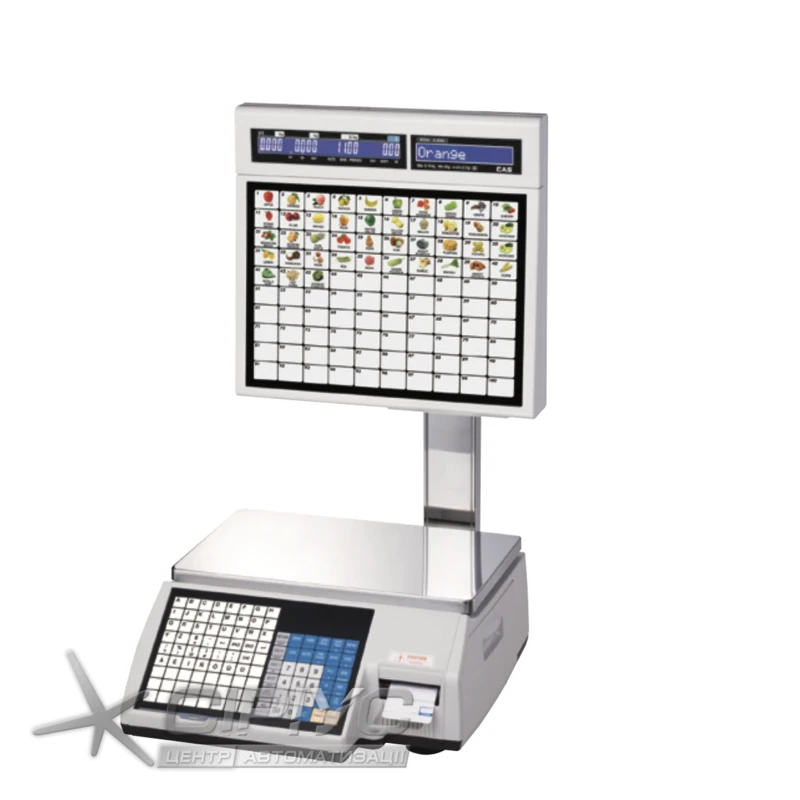
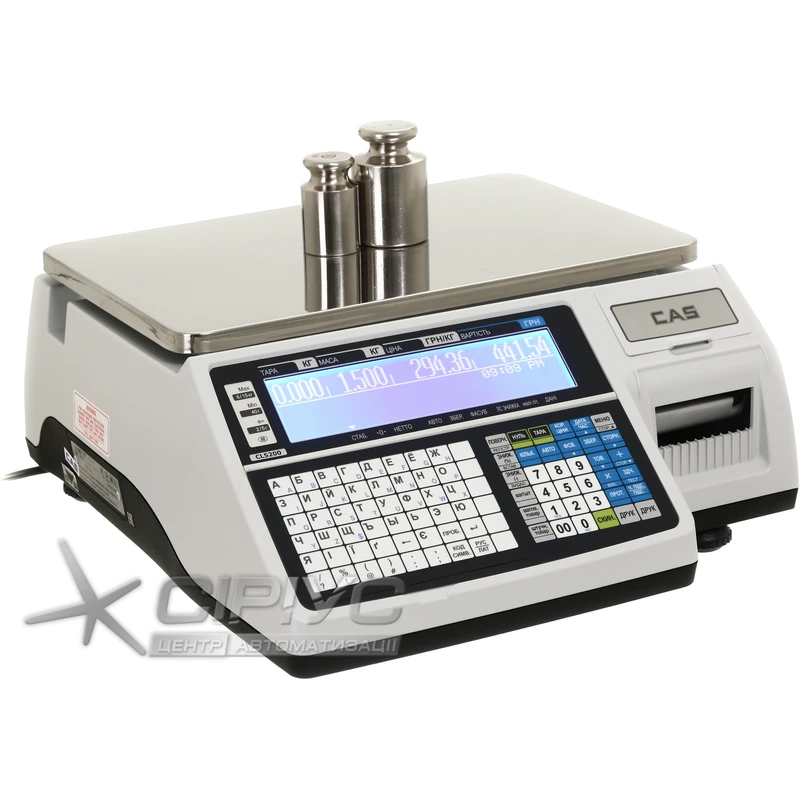
Scales with thermal label printing
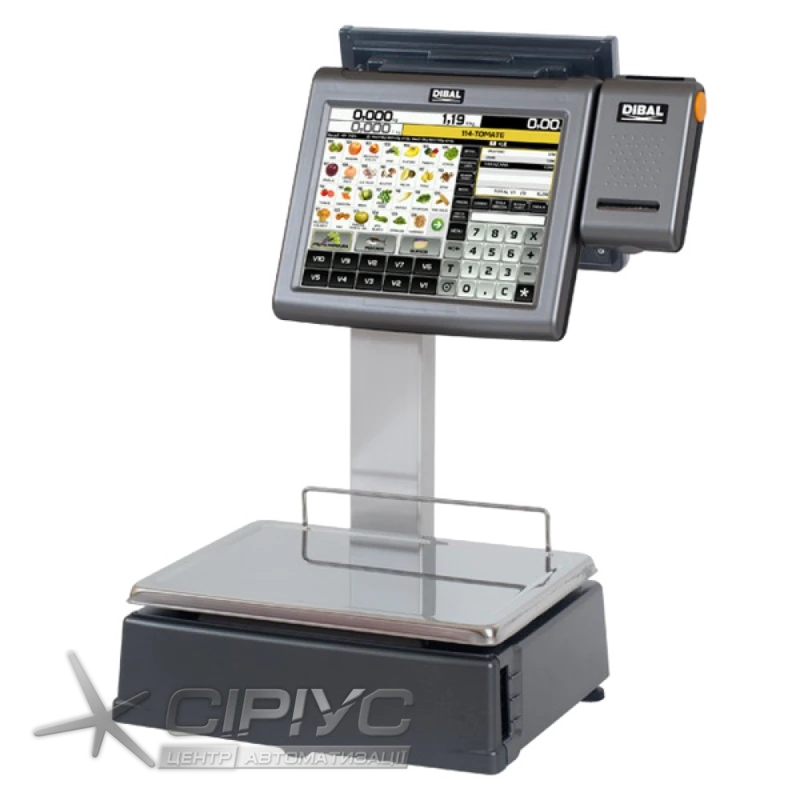
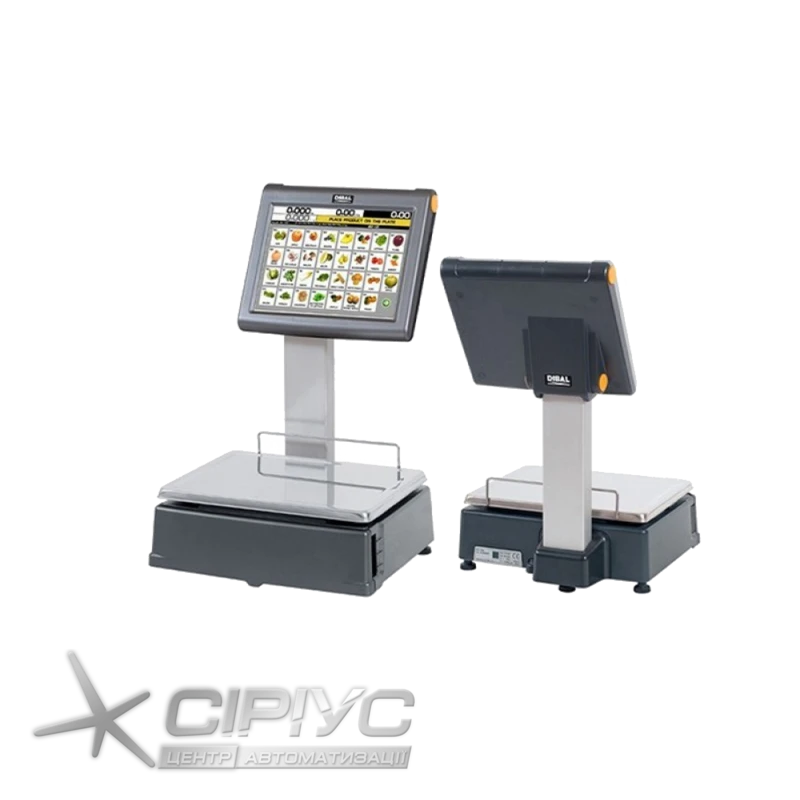
No products match these filters
Key Features of Receipt-Printing Scales
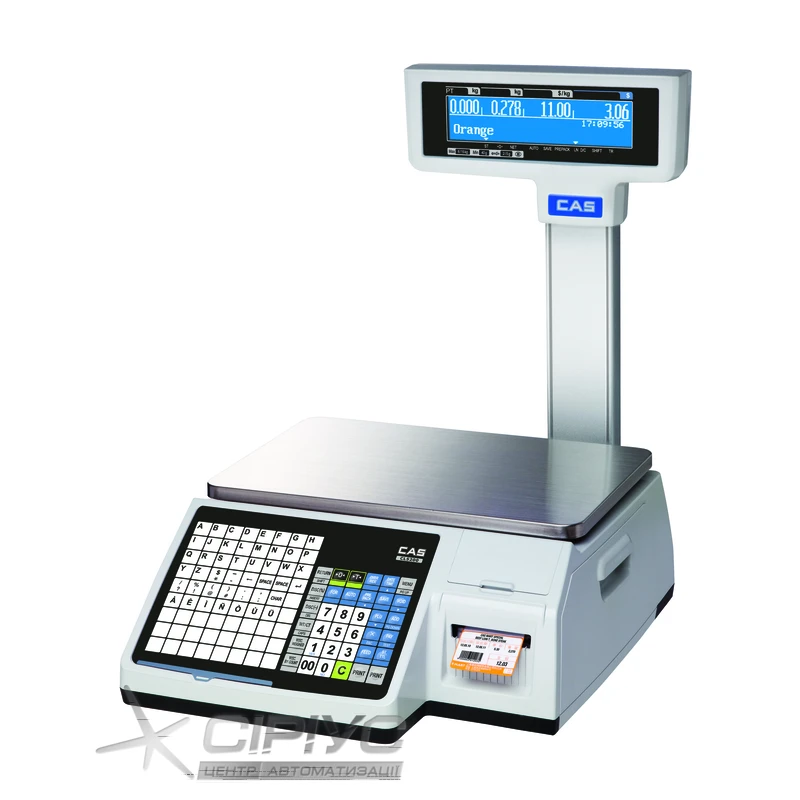
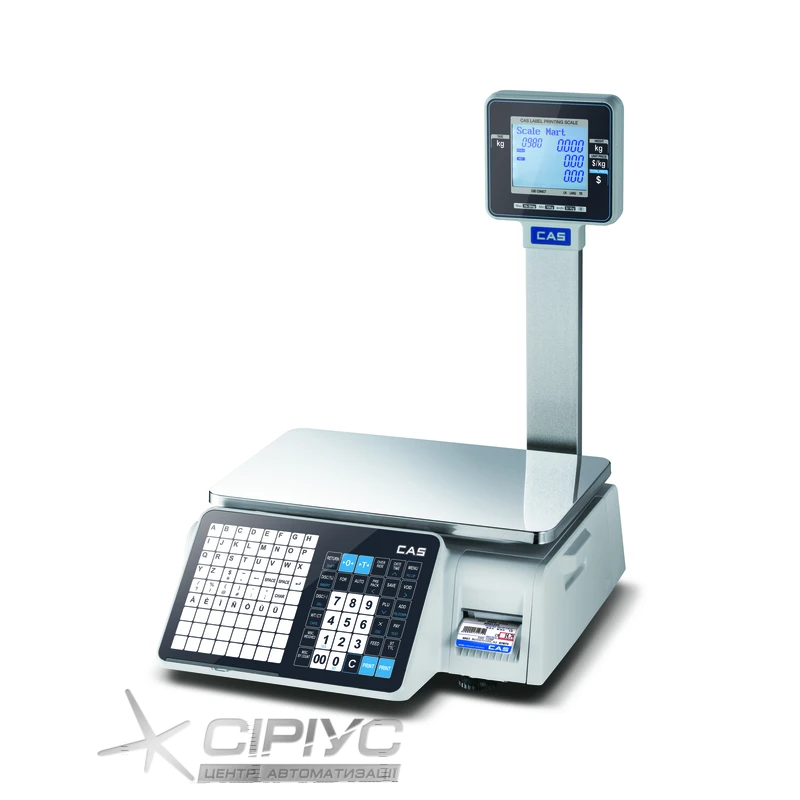
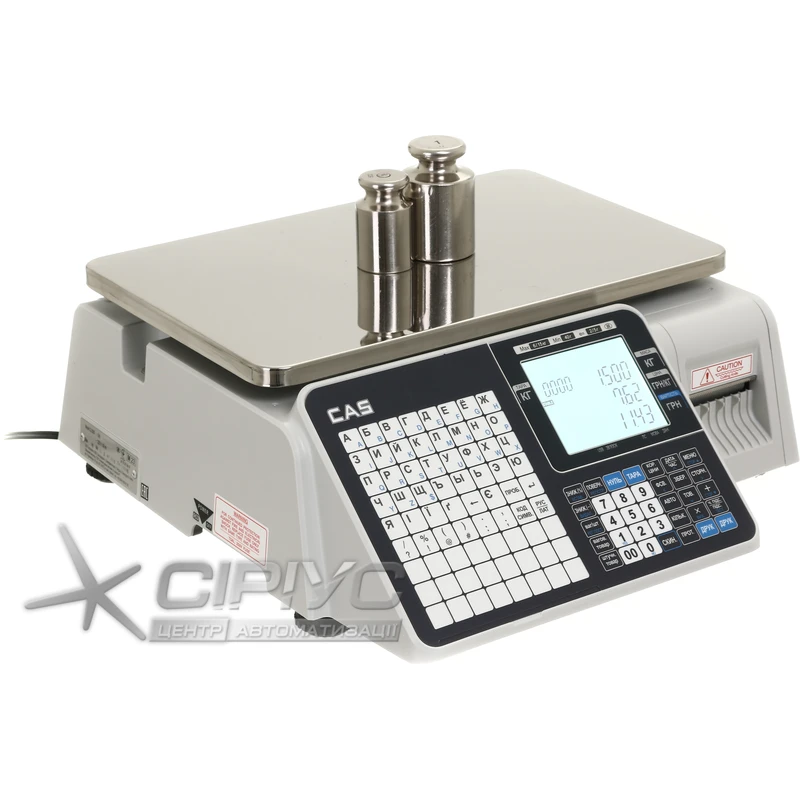
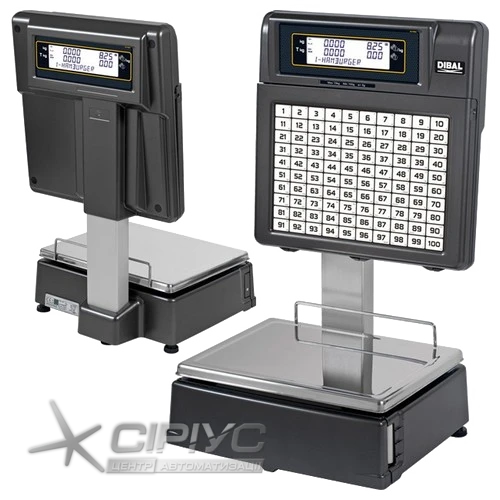
Receipt-printing scales have the same features as retail scales. Here, we’ll describe an important parameter: the connection type.
Receipt-printing scales store much more information than basic retail scales: the product price, name, expiration date, and sometimes ingredients. They can also store the store name, address, phone number, or advertising messages. All receipt-printing scales let you enter this information using the built-in keypad. In most cases, however, this is very inconvenient and time-consuming, since the scale keypad is designed for sales, not for entering information quickly. In addition, it is not always possible to stop using the scales to update the data. That is why all receipt-printing scales allow you to transfer data from a computer. The connection port plays an important role here.
Receipt-printing scales use two different connection technologies, which affect the network topology (connection layout):
Bus Topology Using RS-232 (COM Port)
RS-232 is a standard dating back to 1969.
Daisy-chain connection: Scale No. 1 connects to the computer, scale No. 2 to scale No. 1, scale No. 3 to scale No. 2, and so on...
This method has many drawbacks:
Data transfer speed — the RS-232 (COM) port is very slow. Also, for the connection to work over distances greater than 30 meters, the speed must be reduced to a minimum.
Interdependence — if a cable comes loose on one scale, communication with all the scales further down the chain is lost.
Sequential data exchange — with bus topology, data can be exchanged with only one scale at a time. So, given the low speed, changing a product’s price on all scales is a challenging task.
Star Topology Using TCP/IP over Ethernet (Standard Computer Network)
Connect receipt-printing scales via TCP/IP over Ethernet, using a standard computer network.
Unlike bus topology, star topology has these advantages:
Data transfer speed — the data transfer rate is tens, and sometimes hundreds, of times faster.
Independence — the scales connect to a switch (hub), not to the computer. If something happens to one scale, it will not affect the operation of the other scales.
Synchronous data exchange — information can be exchanged with all scales at the same time.
You might think the weak link in a star topology is the switch (hub). In theory, that is true. In practice, however, unlike the scales, the hub is always located somewhere inaccessible and connected to an uninterruptible power supply (UPS). Therefore, the likelihood of problems with the hub is minimal.
Which Receipt-Printing Scales Should You Choose?
It depends on what you need:
- You need only one scale
- You will store no more than 200 products on the scale
- Product prices change infrequently
In that case, it may be worth saving money and buying scales with RS-232 (COM port).
But if you need to:
- Buy more than one scale
- Store more than 500 product names on the scales
- Change product prices frequently
Then there is only one choice — scales with TCP/IP.
Connect scales via Wi-Fi when it is not possible to run a cable. All you need is scales with TCP/IP and an additional Wi-Fi router for $25.
Scales with thermal label printing are also called:
Keywords: receipt-printing scales, label-printing scales, portion scales, portion scales with label printing, retail scales
with label printing, scales with a label printer, scales with label printing, scales for printing labels, receipt-printing scales, scales with barcode label printing.