
Waiter call systems
No products match these filters
Why do you need a waiter call system?
What percentage of visitors «leave» your establishment simply because of a lack of attention from the staff? 10%, 20%, or maybe even more?... And how many of them never come back again? And these could have been your regular customers...
The waiter call system is designed for the quick calling of service staff. It is widely used in modern cafes, restaurants, hotels, clubs, discos, and similar establishments. Operates remotely, transmission type — radio signal.
Advantages
- the client does not have to get up from the table, wave their hands, or call the waiter, this is especially inconvenient in noisy conditions, with a large number of visitors, or in a large establishment
- the waiter call system is relevant for VIP halls and VIP booths
- visitors place additional orders more often
- many customers dislike it when the waiter waits while they read the menu, or, on the contrary, when the waiter disappears for a long time — the quick call system easily solves this problem
- for taverns, outdoor restaurants, where the distance between the bar and the tables can exceed 100 meters, the waiter call system is the only way to provide your customers with quality service
How does the waiter call system work?
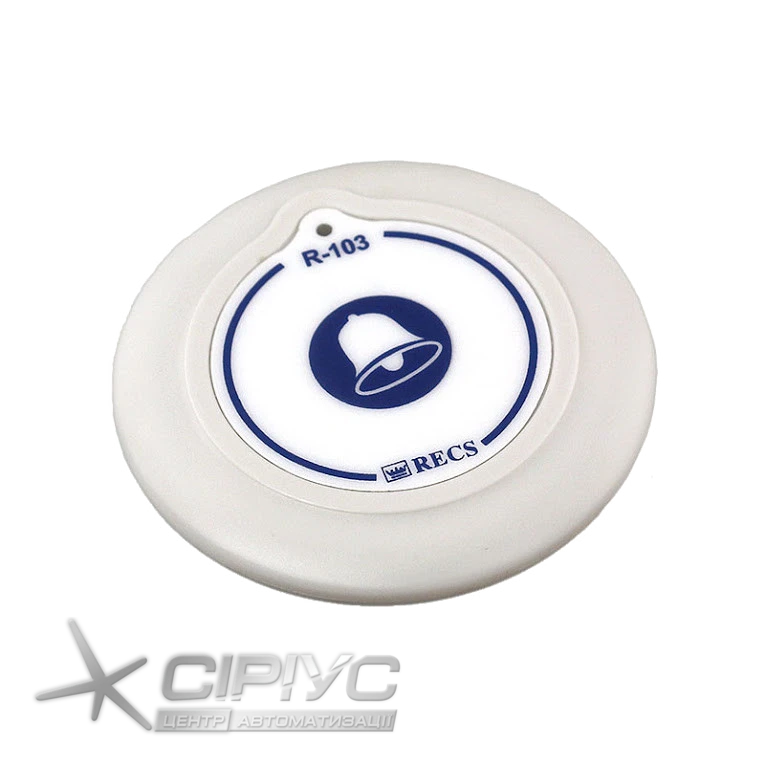
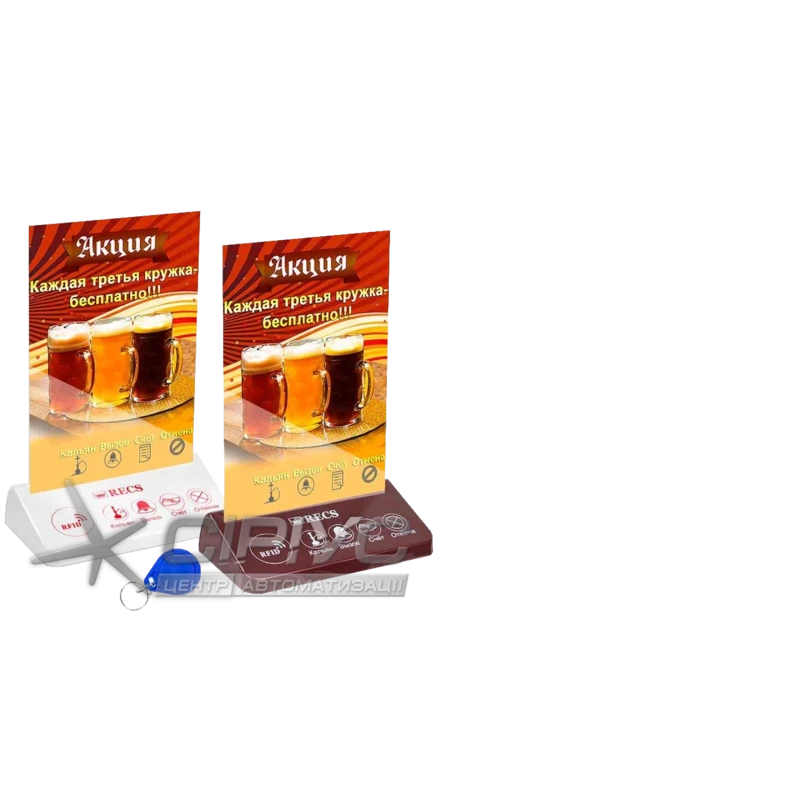
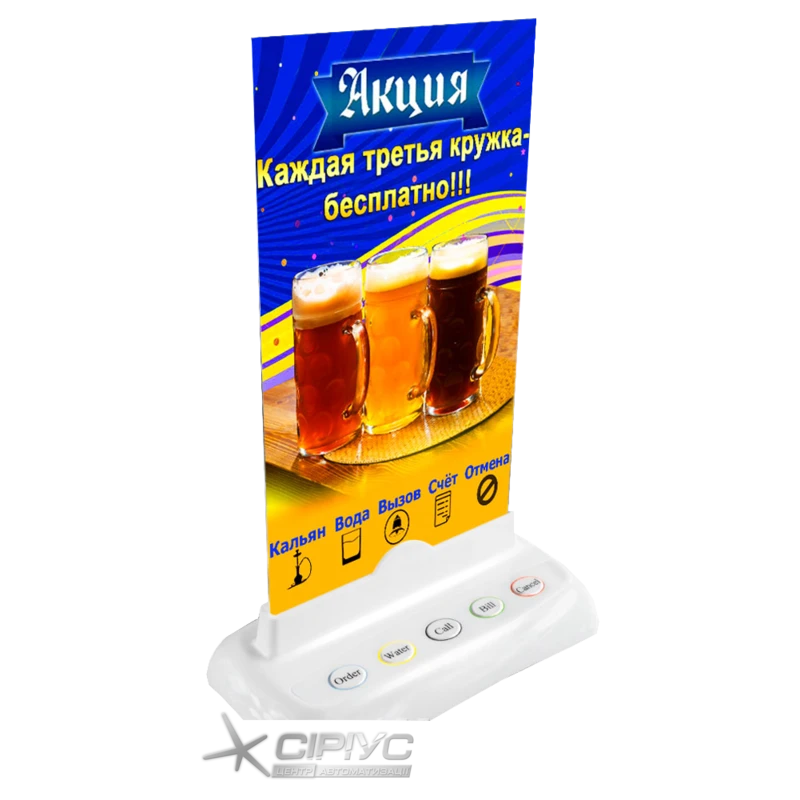
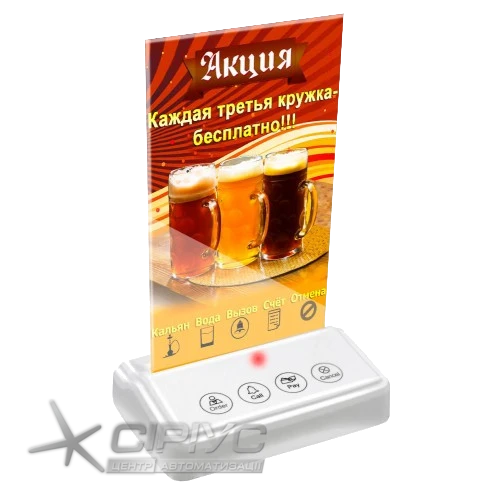
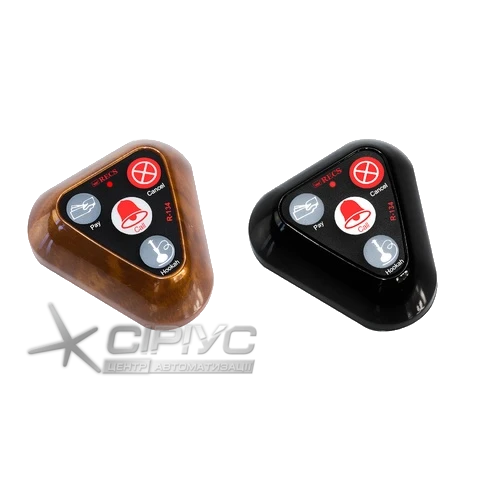
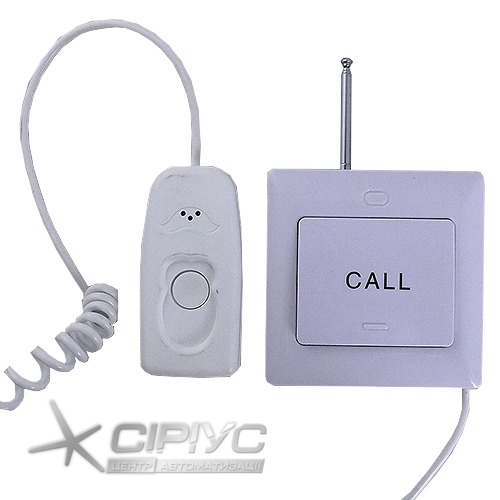
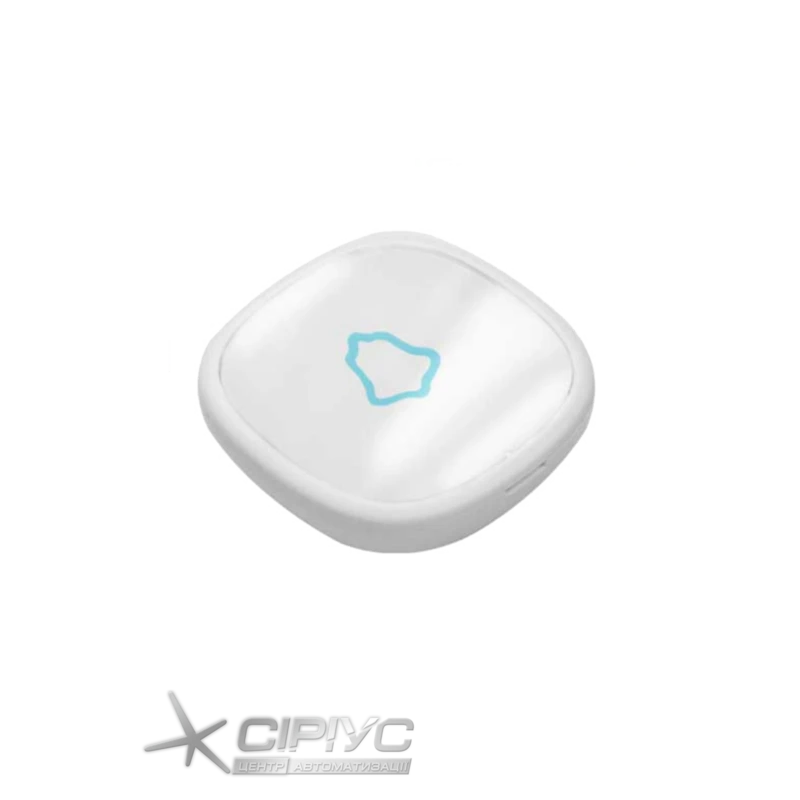
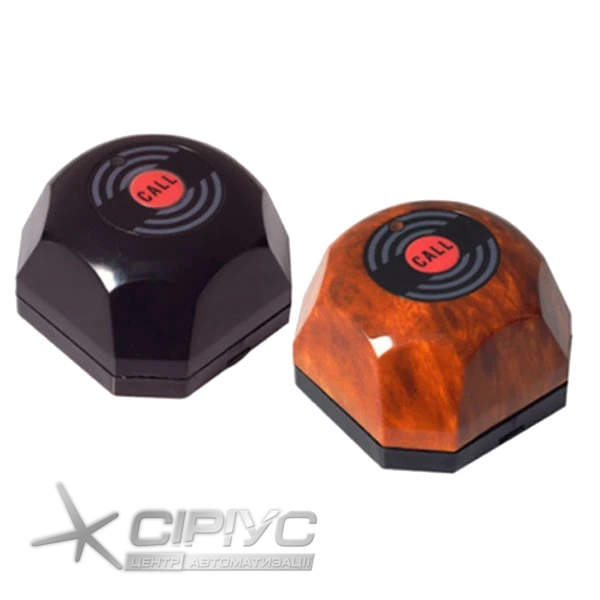
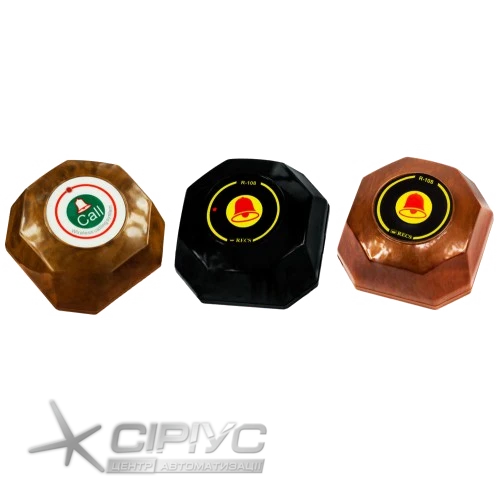
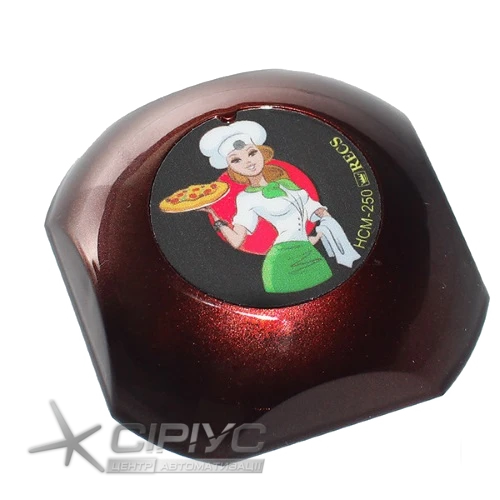
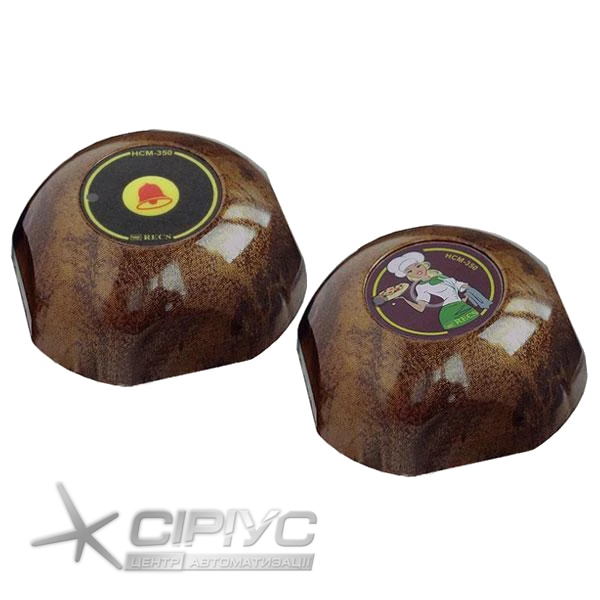
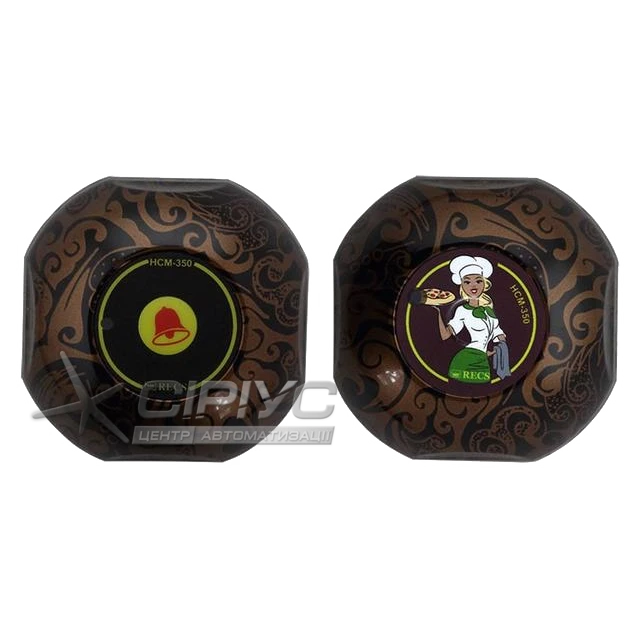
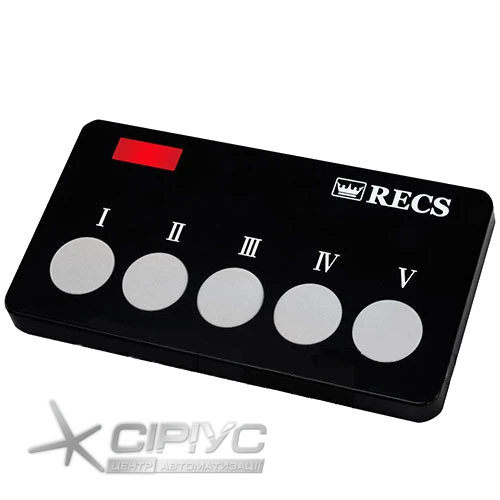
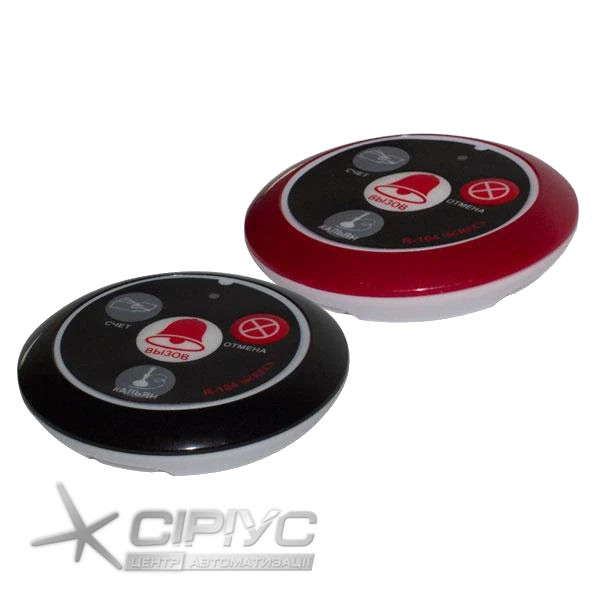
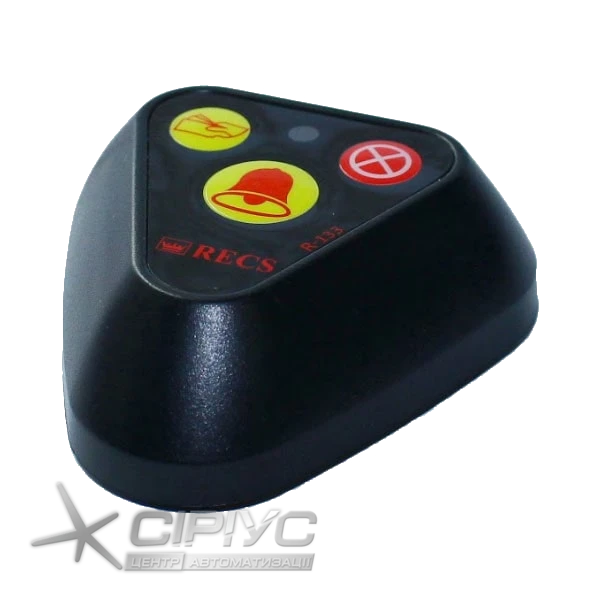
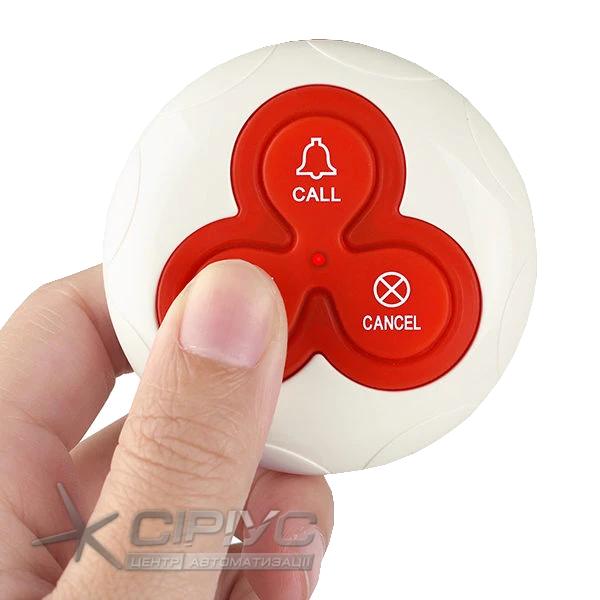
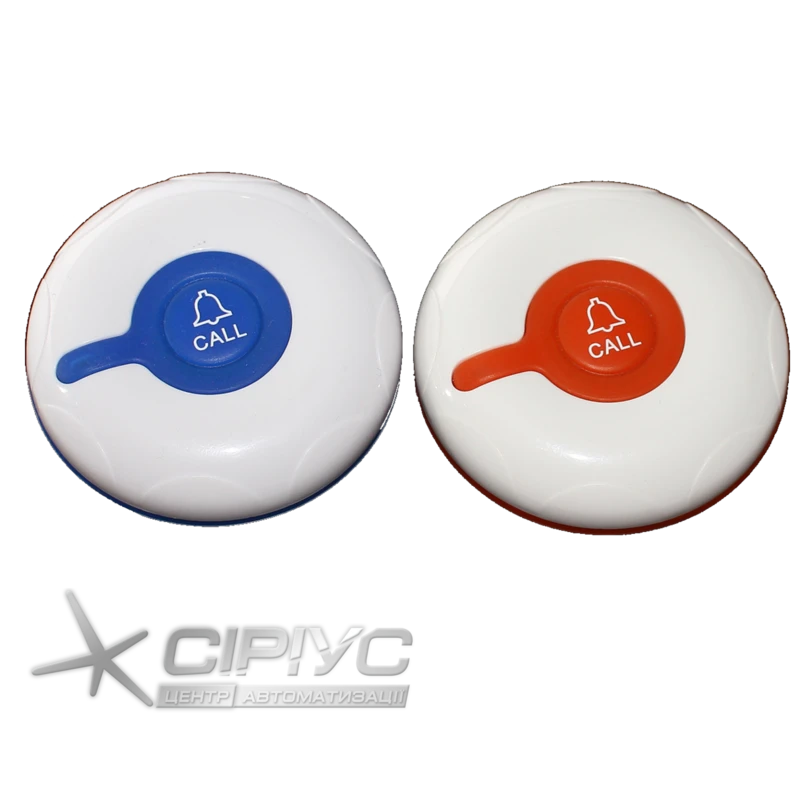
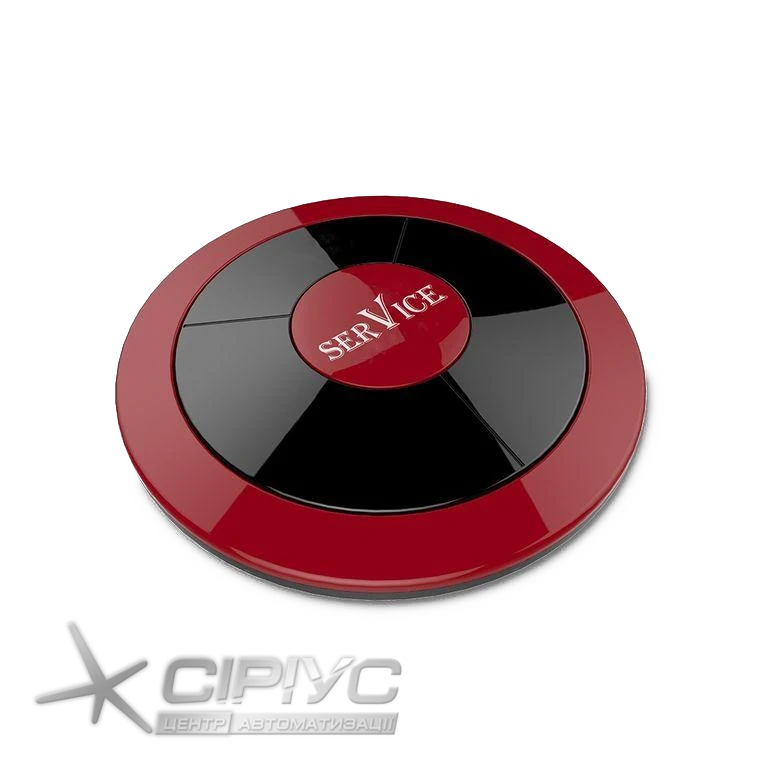
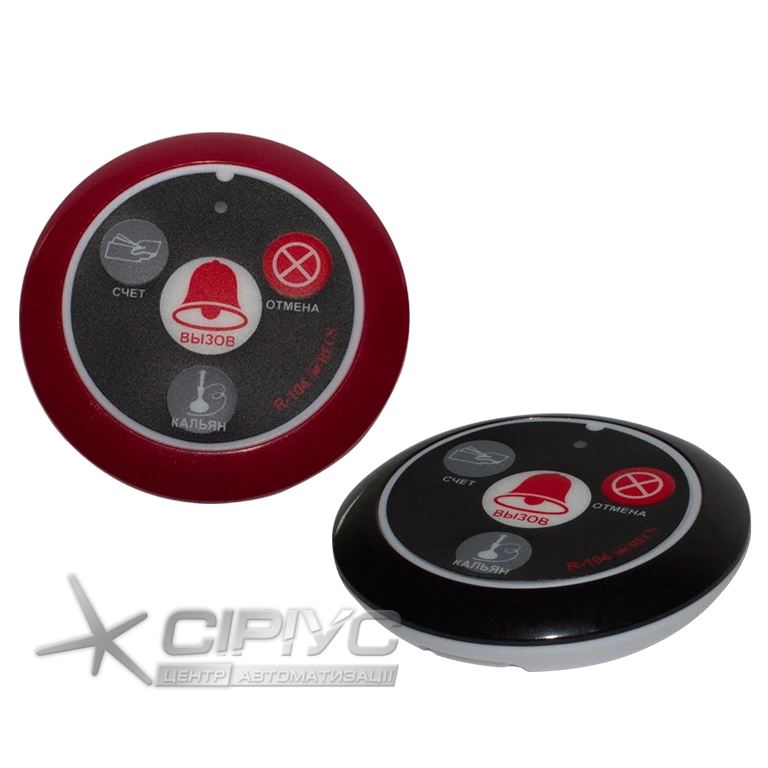
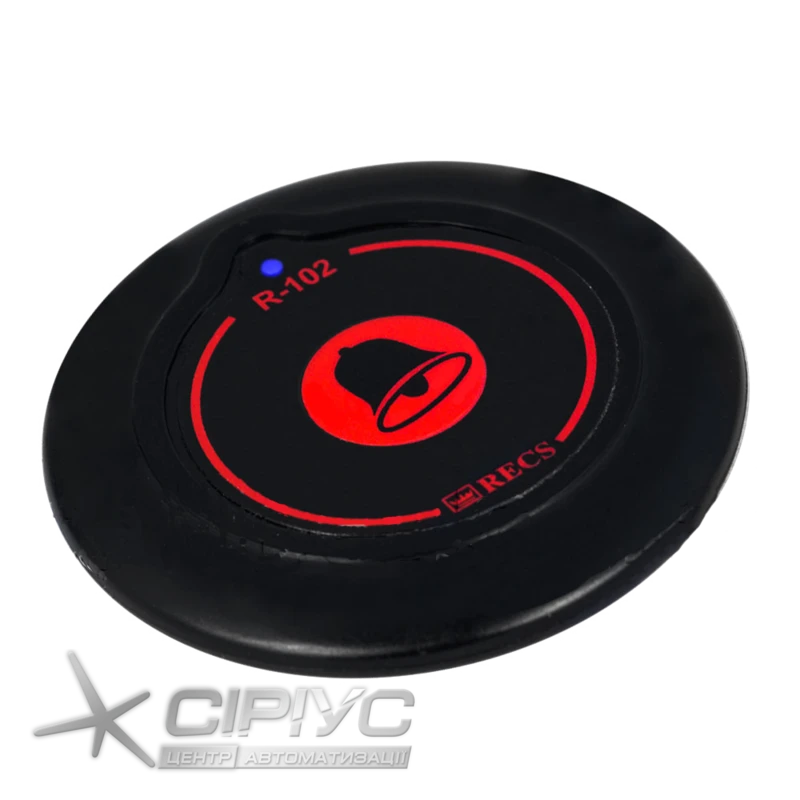
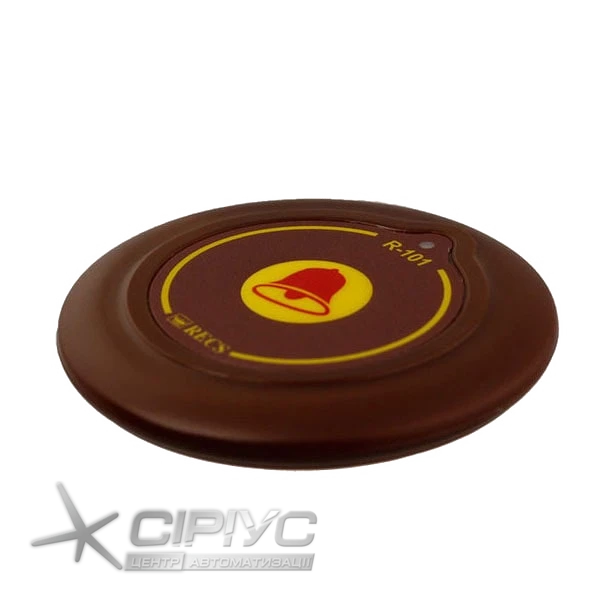
The waiter call button — is placed on the visitors' table
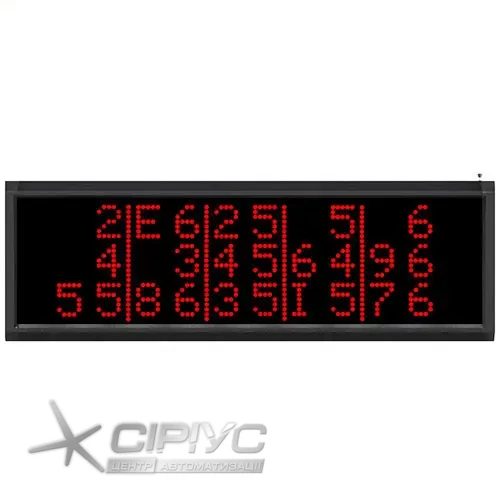
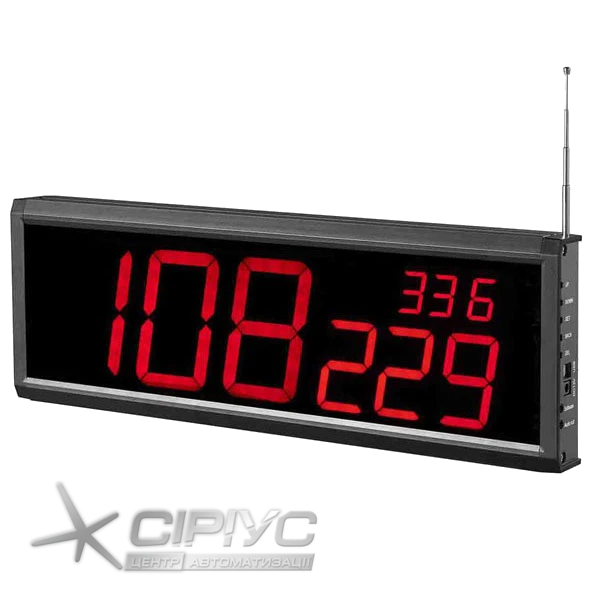
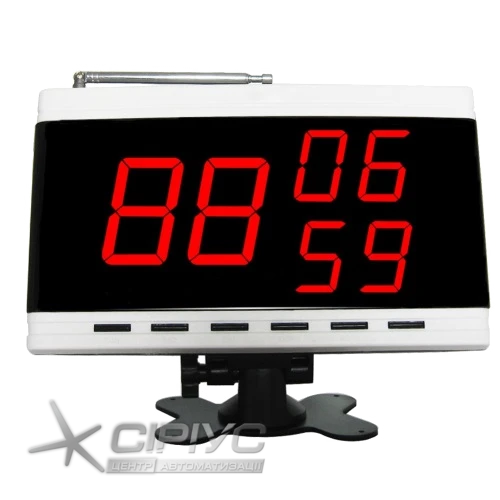
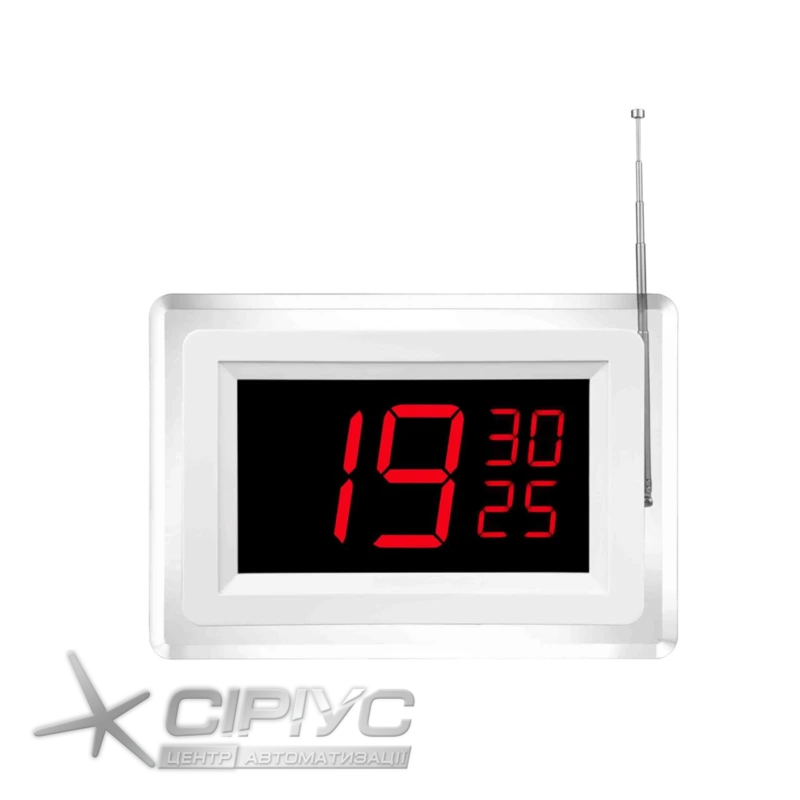
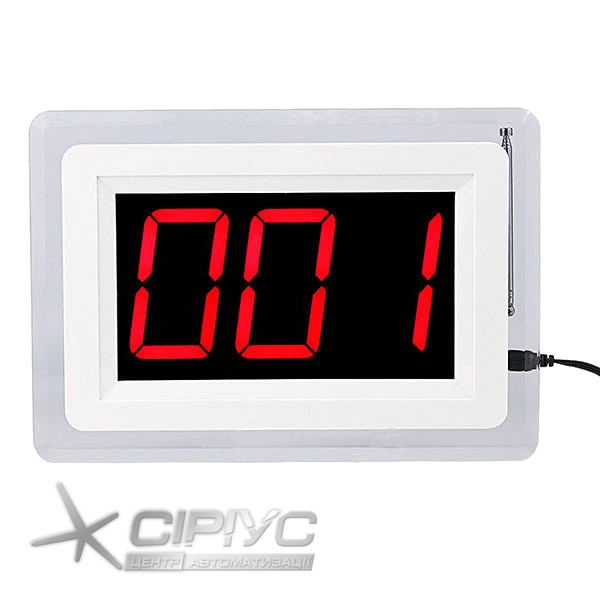
The information display — can show from 3 to 6 calls simultaneously, depending on the model. It can receive a signal from more than 100 call buttons.
The display is placed at the bar, the reception, or in the kitchen. It is convenient when calls are distributed by a manager or bartender, who is the one to decide which waiter to send to the call. Centralized call management.
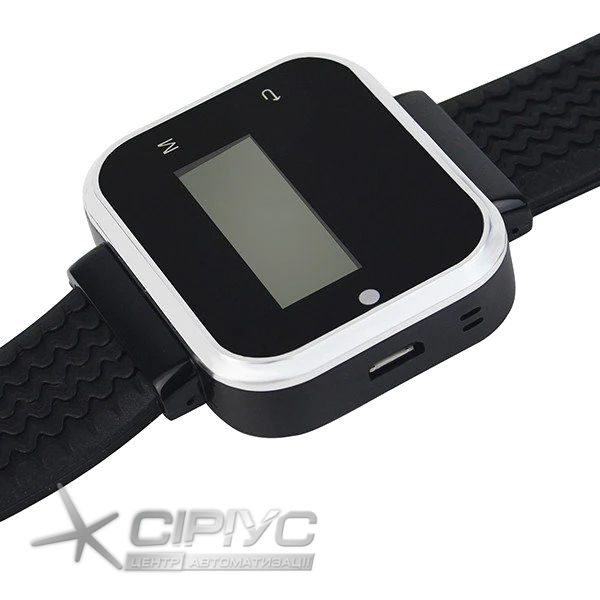
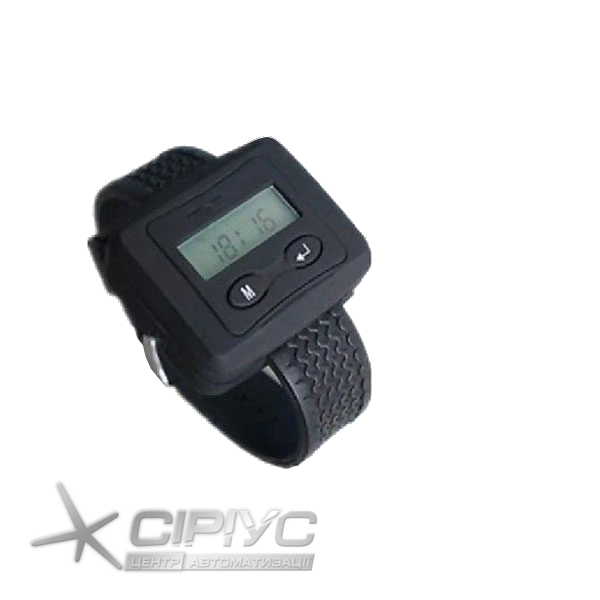
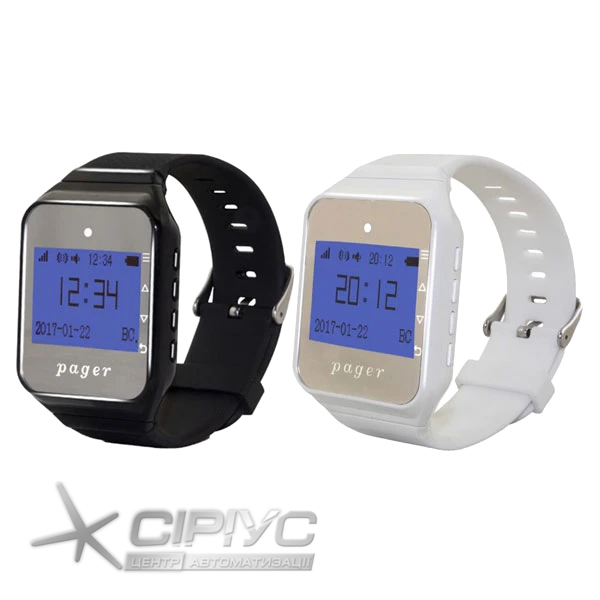
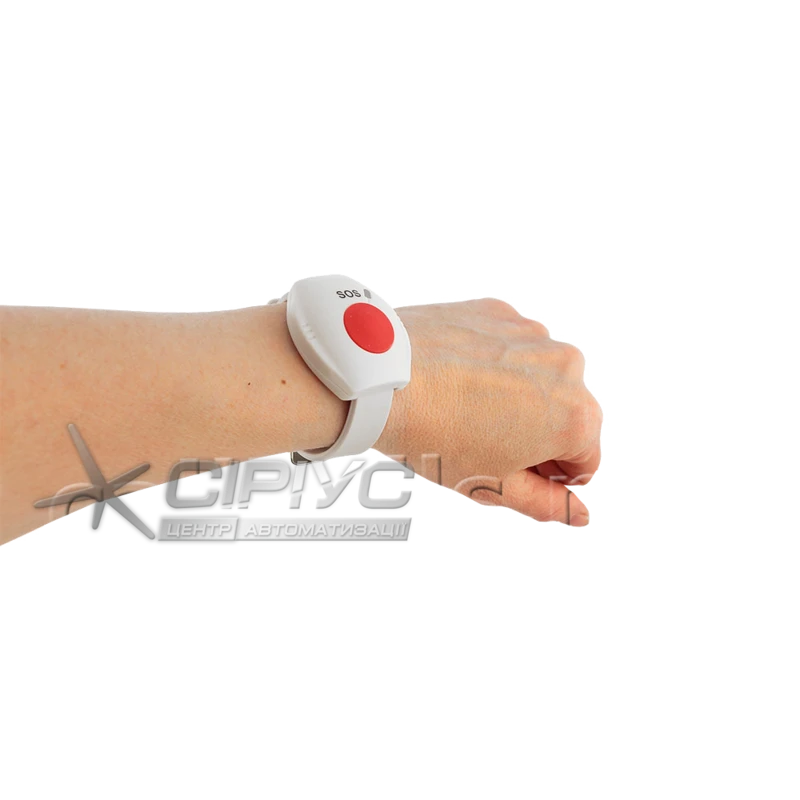
The wrist pager — the waiter puts it on the wrist like a watch. When called, the pager instantly notifies the waiter of the number of the table that needs attention. Stores a call history. Receives a signal from the kitchen about ready orders.
The pager is convenient when the establishment is divided into service zones for different waiters. Then each button is linked to a specific pager. Result: each waiter sees orders only from their own tables. Distributed call management.
Pager + display — the information display and the wrist pager can be combined.
In this case, the call is immediately seen by both the waiter and the manager/bartender, who only needs to monitor the handling of the call.
Combined call management.
The waiter call system, together with establishment automation that uses a POS terminal and receipt printers, significantly speeds up service.